Patients rarely walk into a clinic asking for the frontalis muscle to be modulated or the glabellar complex to be softened. They point to the mirror and say, these lines here, can we smooth them without looking frozen? In practice, that usually means two different treatment zones with distinct goals and techniques: the horizontal lines across the forehead, and the vertical or angled 11s between the brows. Both use botulinum toxin injections, often called cosmetic botox, but they behave differently and carry different risks. If you understand where the muscles live and what expressions they botox near me drive, the difference becomes clear, and so does the plan for natural looking botox.
The anatomy behind the names
Forehead lines form because of the frontalis muscle. It is a thin, fan-like elevator that lifts the eyebrows and the skin of the forehead. When you raise your brows to emphasize a point or to see better, the frontalis contracts and creases the skin into horizontal lines. With time, those expression lines can etch into static wrinkles.
Brow line wrinkles, shorthand for the frown lines or 11s between the eyebrows, come from a different zone called the glabellar complex. The corrugators draw the brows together, the procerus pulls the center of the brow down, and the depressor supercilii helps angulate the inner brow. These are depressors and inward pullers. They create vertical and oblique lines, and in some people, a single central line.
The takeaway is simple. Forehead botox treats an elevator. Brow line botox treats depressors. If you weaken an elevator too much without balancing the depressors, brows can drop and eyes feel heavy. If you soften the frown muscles without considering forehead compensation, you can end up overactive above and underactive between the brows. A good certified botox injector plans both zones together.
What forehead botox actually does
When patients ask for botox for forehead lines, they want their horizontal creases to soften while keeping their ability to look surprised, curious, or engaged. The injection sites spread across the frontalis in a pattern that respects the anatomy. Experienced providers think in terms of safe vertical columns and a no-go zone within one to two fingerbreadths above the brow. Injections placed too low can weaken the lower frontalis, which is the part holding the brow up at rest. That is how you avoid a brow drop.
Dosing in the forehead tends to be lighter per point and more distributed. The frontalis is thin, and it is the only brow elevator. Many clinics start a first-time forehead treatment in the range of 6 to 12 units, sometimes up to 16 to 20 units for strong foreheads, divided across several points. People with tall foreheads might need an additional row of micro-doses to reach the hairline where lines continue. Those numbers vary by product and brand because unit potency is not identical across all botulinum toxin injections. An experienced botox specialist will adjust based on muscle strength, forehead height, and hairline.
Another practical detail: if you already have low-set brows, heavy upper lids, or a history of feeling heavy after botox, the injector will go lighter on the lower third of the forehead or recommend treating the glabella first to recruit a small brow lift before adding forehead smoothing. This is one of the most effective ways to keep a natural result.
What brow line botox actually does
Frown line botox targets the corrugators, procerus, and sometimes the depressor supercilii. The goal is to reduce the inward and downward pull, which softens the 11s and often gives a subtle lift to the inner brows. The dosing per point is higher than the forehead because the muscles are thicker. A typical glabellar complex treatment for a first-timer might range from 12 to 25 units, placed at five points, with modifications for asymmetry or stronger corrugators. Strong frowners can require more.
Angles matter. Corrugator fibers run diagonally, so the needle angle and depth determine whether you hit the belly of the muscle or drift into a zone where diffusion could affect the levator palpebrae in the orbit, which is the muscle that opens the eye. Precise placement lowers the risk of eyelid ptosis. Providers also consider vascular safety. This area has arteries and veins that can bruise, and care with depth and aspiration habits can make the appointment smoother.
When done well, glabellar botox not only softens wrinkles but also relaxes the angry or tired look that some people dislike in photos. For many, it is the most satisfying first step because the expression change is noticeable and friendly without looking overdone. It is also the anchor for safe forehead treatment, because reducing the downward pull permits a more conservative and balanced forehead dose.
Why these zones should often be treated together
In a lot of day-to-day cases, the best botox results come from treating both the frown lines and the forehead lines in one plan. Let me explain it the way I explain it in a consultation. Most people overuse the glabellar complex when they concentrate, read, or react to sunlight. That depresses the brows and creates the 11s. The frontalis often compensates by lifting to counter that downward pull, which folds the forehead. If you only treat the forehead, you remove the compensatory lift and the brows may drop a little. If you only treat the glabella, your frontalis might relax on its own and reduce forehead lines, but not always enough.
A combined approach allows smaller, smarter doses in each place. You weaken the depressors enough to reduce the scowl lines, then add a light touch across the forehead to smooth the horizontals. The net effect is subtle botox that looks natural even at rest, and it supports expressions instead of erasing them. For patients seeking preventive botox or baby botox, this strategy may use micro-dosing across both zones rather than a heavy dose in one.
How the appointment unfolds
A typical botox appointment starts with a conversation, not a needle. A good botox consultation includes several quick checkpoints. What lines bother you most? Do you raise your brows to see better? Any history of eyelid droop after injections? Do you wear contact lenses or have dry eyes? Any neuromuscular or bleeding disorders? Are you pregnant or breastfeeding? Your injector will watch you animate, which is where your habitual expressions show up. Frown hard, lift your brows, smile. The muscle map appears in seconds.
From there, the provider proposes a plan. For a first-timer on a budget who mainly hates the 11s, I often advise starting with the glabella only, then reassessing the forehead at the two-week check. For someone whose forehead lines are strong at rest and whose brows are on the low side, I prefer a small, well-placed glabellar dose plus a conservative forehead pattern on day one.
The botox procedure itself is short. Skin is cleaned, makeup removed where needed, points are marked or mentally mapped. Micro-needles deliver small aliquots into the muscles. The sensation is a series of pinches that most people rate as mild. Ice or vibration can distract the nerves. The entire injection therapy for these zones takes five to ten minutes once the mapping is done.
What happens after and when results show
Expect pinpoint redness that fades in 10 to 20 minutes, and the occasional small bruise that resolves in a few days. The product starts to work in 24 to 72 hours for most, and reaches peak effect in about 10 to 14 days. This is why many clinics schedule a two-week follow-up for a quick check and minor touch up if needed. That follow-up is part of a safe botox treatment plan because it allows the injector to finesse asymmetries without over-treating on day one.
The forehead often feels a little different during the first week. People describe it as calm or less twitchy when they try to raise their brows. In the glabella, you might still make a soft frown, but it loses the deep crease, which is the goal for wrinkle botox, not a mask-like block. If your job demands a lot of facial expression, your injector can use lower doses to preserve range while still smoothing the skin.
Longevity and maintenance
How long does botox last? In these zones, three to four months is common, with a range from two to five depending on metabolism, dose, and muscle strength. First timers sometimes metabolize a bit faster, then stabilize with repeat botox treatments. Athletes with high metabolic rates and people who are very expressive often see earlier return of movement.
Maintenance is straightforward. Most patients like to rebook around the three to four month mark for consistent results. Some prefer to let the effect fully wear off once or twice a year. Both approaches are acceptable if you plan with your botox provider. For those trying preventive botox, small regular doses can keep lines from etching deeper. For those who hate the short fade window, your injector can adjust dose or spacing to find a sweet spot. A botox touch up is usually appropriate within two to three weeks of treatment if a small line persists or if brows feel uneven.
The feel and look of natural results
Natural looking botox is less about the brand on the vial and more about the strategy. A few cues help guide the outcome. The lower third of the forehead should be dosed lightly, the glabella should be softened enough to prevent a scowl, and the tail of the brow should not be unintentionally arched into a Spock brow. When that high lateral arch shows up, it usually means the outer frontalis is still strong and the inner portion is too weak. The fix is delicate, a dot or two of additional toxin in the outer forehead to relax the tail.
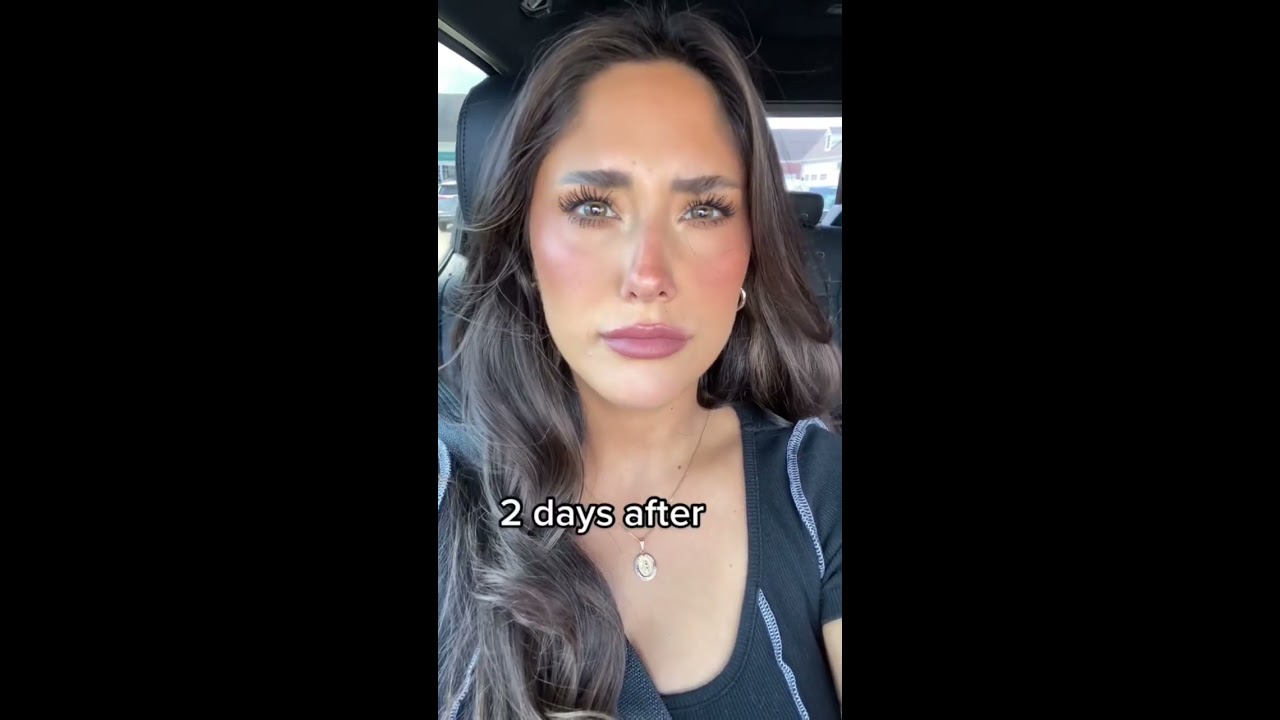
Photos matter. Botox before and after images taken with consistent lighting and angles help you see a real change that your brain quickly normalizes in a mirror. At rest, the lines should look shallower and the skin smoother. In motion, you should still look like yourself, just a little more rested. That balance is the art of professional botox injections.
Safety, side effects, and how to minimize risk
Botox safety comes from anatomy knowledge, dosing judgment, and good technique. The most common side effects are temporary and mild: small bruises, headache for a day or two, or a sense of heaviness while you adjust. Rare events include eyelid ptosis, brow asymmetry, and in the forehead, a flat look if the dosing is too high for your expression style. Vascular compromise is extremely unlikely in these zones with standard technique, but any sudden skin color changes or severe pain post-injection should prompt a call to the clinic.
You can help reduce risk, too. Skip alcohol the day before, and avoid blood thinners like high-dose fish oil or ibuprofen for several days if your doctor agrees. Arrive with a clean face if possible. After treatment, stay upright for four hours, avoid rubbing the area, and wait a day before heavy workouts or sauna. These small steps support safe diffusion and cleaner results.
Cost and value without gimmicks
Botox cost varies by region, injector expertise, and whether the clinic charges per unit or per area. Per-unit pricing can range from modest to premium. A forehead and glabella treatment often totals 20 to 40 units combined, sometimes more for strong musculature. Affordable botox does not mean low quality, but be cautious of deep botox deals or specials that push high volumes at very low prices. Dilution practices, rushed appointments, and lack of follow-up can turn a good plan into a poor outcome. A trusted botox clinic will be transparent about botox price, product brand, and units used, and will show you the vial if you ask.
As for brands, several FDA-approved botulinum toxin injections exist. Unit equivalence is not one-to-one across products, so the injector’s familiarity with the brand is more important than switching for a coupon. If you are chasing the best botox for you, seek top rated botox providers rather than chasing the lowest ticket. Consistency and technique matter more than a marketing label.
When forehead-only or brow-line-only makes sense
Although combination treatment is common, there are times to separate them. A patient with very high brows and minimal frown activity might want forehead botox to soften photo lines with almost no glabellar dosing. Conversely, a person who mainly scowls when concentrating can treat the 11s only and watch the forehead improve because it stops compensating. Post-surgery patients with altered brow position, or individuals with preexisting lid ptosis, warrant a cautious plan that may avoid the forehead altogether.
Edge cases show up in clinic every week. Heavy eyelids and allergies can make people recruit their frontalis to keep the eyes open. Treating the forehead in those cases can feel uncomfortable because it unmasks the heaviness of the lids. That is where a staged approach helps. Starting with glabellar softening and reassessing in two weeks often produces a subtle lift in the brow, then a tiny forehead dose can finish the job. Patients with asymmetry, perhaps from an old injury or sleeping habits, might need uneven dosing across the corrugators to keep the brows level. A careful injector will spot that before the needle goes in.
What baby botox looks like in each area
Baby botox and preventive botox have become common requests from people in their late 20s and early 30s. The idea is micro-dosing to reduce repetitive creasing before lines etch deeper. In the forehead, this might mean several tiny deposits across the upper two-thirds, avoiding the lower third to preserve lift. In the glabella, it might be a lighter five-point plan that softens but does not completely block a frown. The result is softer motion, not motionless skin. If you have fine, early lines, this approach often delivers subtle botox results that stay under the radar at work and in photos.
Crow’s feet are related but different
Patients often ask if their crow’s feet need to be treated at the same time. The answer depends on your smile lines and your goals. Crow’s feet botox targets the lateral orbicularis oculi, not the forehead or glabella. Treating them can brighten the eye area, but it should respect cheek dynamics to avoid a pinched smile. While not the focus of forehead vs. brow line botox, it is part of the broader facial botox plan. In someone whose eyes crinkle much more than the brow furrows, the lateral eye may take priority.
Technique details that separate average from excellent
After thousands of injections, small choices add up. The depth for the corrugator medial head is deeper near the bone, then more superficial as you move laterally where the muscle interdigitates with the frontalis. The procerus point sits just above the nasal root; going too low risks discomfort and poor diffusion. In the forehead, superficial intramuscular placement with a micro-aliquot approach keeps the dose even and avoids spread into undesired areas.
Marking is optional for skilled injectors, but visualizing the safe triangle above the brow is not. In a busy day, measurement habits prevent drift. A clean, two-week recheck policy tightens quality control, especially for first-timers or for a switch in product. These are simple patterns in professional botox injections that reduce redo requests and improve patient trust.
What to ask during your consultation
A focused set of questions improves your odds of a great outcome and a good fit with the provider. Ask how many botox facial treatments they perform weekly, which products they use, and how they approach the balance between the forehead and glabella. Ask what they do to prevent a brow drop and how they handle touch ups. If the answers are clear and calm, you are in the right place. If the plan sounds one-size-fits-all, consider another opinion. You are hiring judgment and hands, not just buying units.
Here is a short checklist you can bring to your botox appointment:

- Show your top three expressions that bother you: full frown, full brow lift, full smile. Mention any prior side effects, surgeries, or eyelid heaviness. Clarify your goal: smoother at rest, but keep some motion. Ask how many units and points are planned for each area. Schedule a two-week follow-up before you leave.
The role of skin quality alongside muscle treatment
Botox therapy smooths expression lines by relaxing muscles. It does not fill deep creases or change skin texture on its own. If your forehead has etched lines that stay even when you are expressionless, you may need a combined approach. Skincare with retinoids, sunscreen, and hydration can help. In-office resurfacing or a very light filler line chase, used sparingly, can support results in select cases. The best outcomes often come from layered care rather than relying on a single modality.
Timeline for special events
If you are targeting a wedding, a reunion, or professional photos, plan ahead. Book your botox cosmetic procedure four to six weeks before the event. That window covers onset, peak, and any touch up time. If you are brand new to treatment, consider a trial round at least three months before the event to fine-tune doses and avoid surprises. Avoid trying a new clinic or a new product in the two weeks before your big day. Predictability is your friend.
Who should avoid or delay treatment
There are sensible pauses. Pregnancy and breastfeeding are standard reasons to wait because there is not sufficient data for safety in those groups. People with certain neuromuscular conditions or active skin infections at the injection sites should avoid treatment until cleared. If you are on anticoagulants, discuss bruising risk with your prescribing physician. A thorough intake at a reputable botox clinic will cover these points before moving forward.
Summarizing the real difference
Forehead botox treats the frontalis, the one elevator of the brow, and requires finesse to avoid brow drop while softening horizontal lines. Brow line botox treats the glabellar complex, a set of depressors that pull the brows inward and down, and demands precise dosing for those vertical 11s. They are distinct zones with different mechanics, but they share a common goal: relaxed expression lines without losing your face’s personality. The best outcomes come from balanced planning, conservative first doses, and a two-week check to adjust.
If you are new to this, start with a conversation and clear goals. If you have had mixed results before, bring old photos and describe what felt off. A certified botox injector will translate that into an adjusted map, maybe a little more here, a little less there. That is the craft. When you leave the chair and look in the mirror two weeks later, you should see yourself, just a touch more open around the eyes and smoother across the brow. That is what a thoughtful botox facial treatment is designed to do.